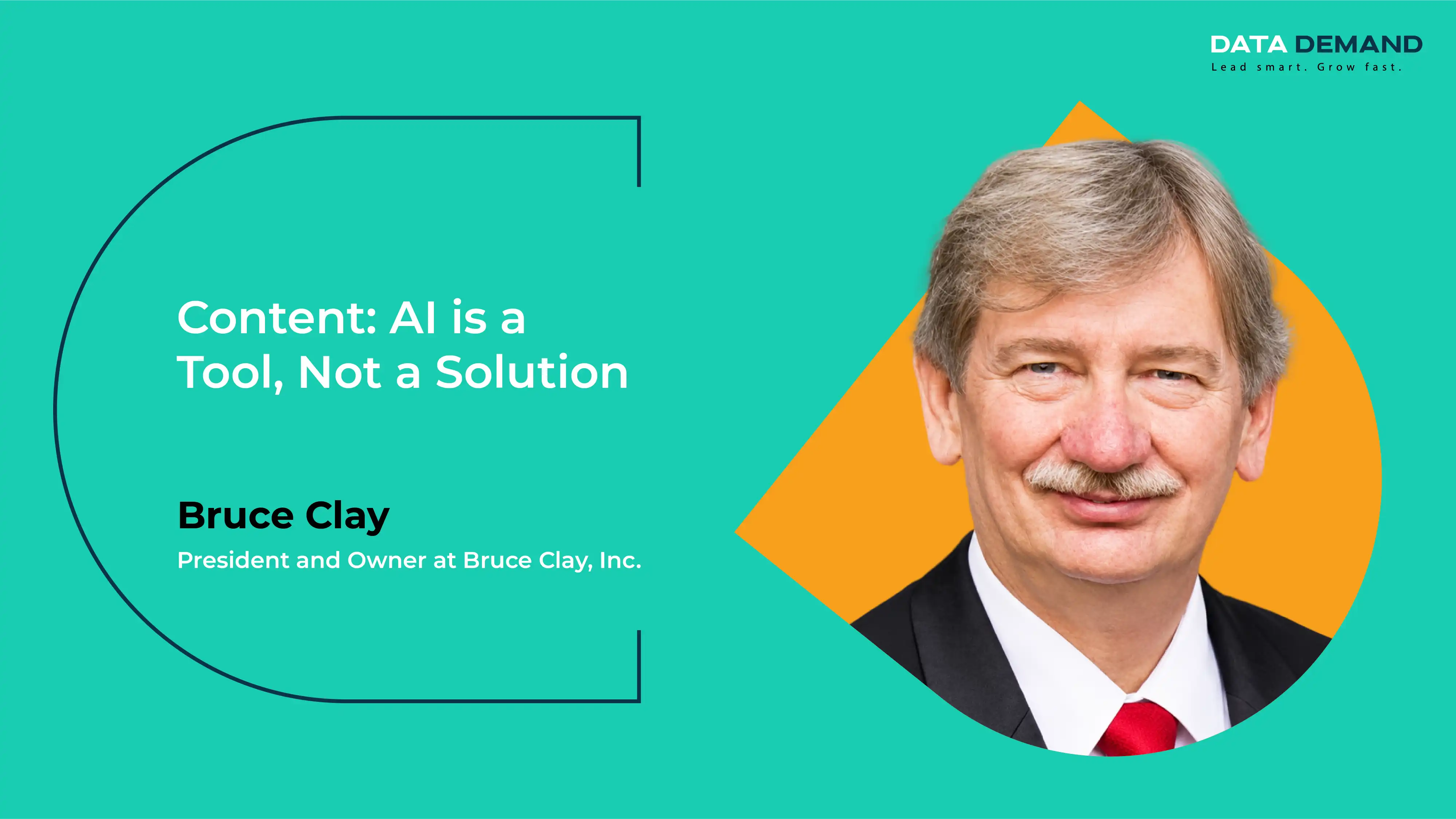
AI can generate content, but only genuine expertise can build lasting search authority.
To build a search engine optimization strategy that survives the artificial intelligence era, digital leaders must stop relying on bots to write their content and fundamentally rethink their website usability. True digital acceleration is not about churning out automated text; it is about using AI as a research tool while letting humans create original thought.
Based on the operational framework shared by Bruce Clay on the MarTech360 podcast hosted by Samarth Bhargava, here are the 5 core strategies required to transition your organization from outdated keyword stuffing to a modern search ecosystem:
Treat AI as an Assistant, Not a Replacement
Artificial intelligence is a consensus engine designed on a word sequence basis, meaning it can only provide prior thought and cannot create genuinely new ideas. Marketers should use AI to accelerate tedious research and generate outlines, but they must rely on human writers to understand market nuances, brand tone, and original perspectives.
Recognize That LLMs Rely on Traditional SEO
AI chatbots do not crawl the web looking for links or canonical tags. Instead, large language models rely on traditional search engines to act as a filter for trust and authority. If your website does not rank on the first two pages of standard search results, you will be completely invisible to AI answer engines when buyers ask complex questions.
Elevate Usability as a Primary Ranking Signal
Search algorithms have evolved far beyond basic keyword matching. To demonstrate Expertise, Experience, Authoritativeness, and Trustworthiness (EEAT), brands must prioritize usability. Features like fast page speed, breadcrumbs, and jump links are no longer optional design choices; they are absolute necessities to rank at the top of modern search results.
Fix the Implementation Bottleneck
The biggest mistake companies make is not a lack of strategy, but a complete failure to implement SEO recommendations. Often, marketing teams do not have the keys to the website, and web design teams ignore crucial SEO elements. If you do not have the organizational alignment to implement technical changes promptly, your SEO efforts will completely stall and choke the system.
Align Page Architecture with User Intent
The definition of usability changes drastically depending on whether a search query is informational or transactional. Brands must understand that a single user possesses two completely different personas based on their immediate intent. Treating every keyword exactly the same will result in poor rankings because each individual keyword requires its own specific project and tailored page architecture.
The Bottom Line: Sustainable digital growth requires recognizing that artificial intelligence cannot make a poorly designed website rank. Stop looking for a magic automation button, and start building highly usable websites that actually serve your target audience.
How much of your current SEO budget is wasted on AI generated content instead of actual technical implementation?