Break down data silos, build a unified customer view, and turn fragmented insights into trusted, personalized experiences.
To build a go-to-market engine that actually converts, enterprise leaders must stop operating in fragmented data silos and fundamentally rethink their customer data infrastructure. True revenue expansion isn’t about buying more disconnected tools; it is about creating a unified customer profile that powers everything from basic analytics to advanced AI.
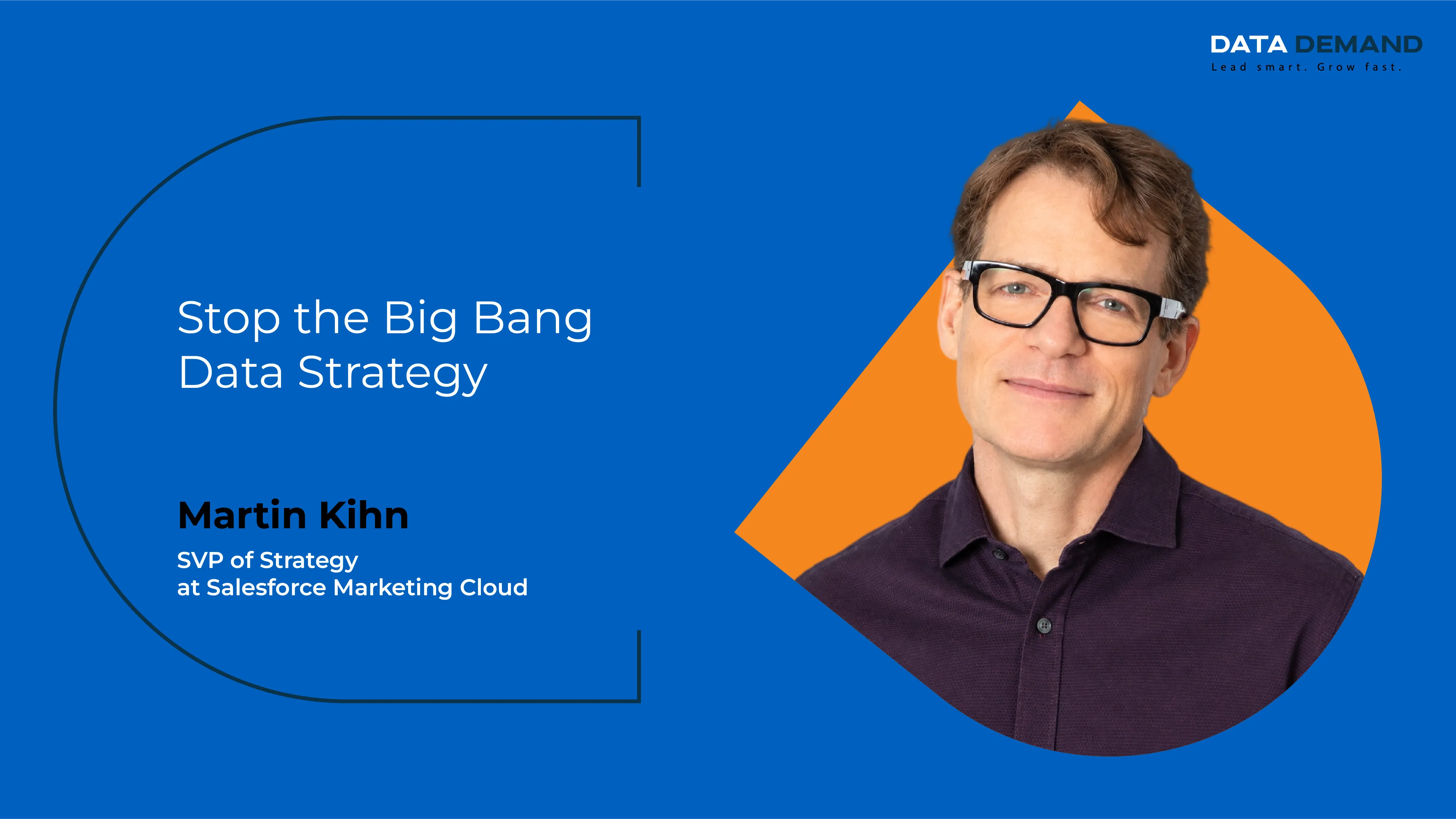
Based on the operational framework shared by Martin Kihn on the MarTech360 podcast hosted by Samarth Bhargava, here are the 5 core strategies required to transition your organization from chaotic data silos to a unified, AI-ready ecosystem:
1. Acknowledge That Marketing Silos Are Inevitable
Marketing naturally develops in silos because it has to respond rapidly to changing human behaviors, leading to separate teams and tools for mobile, social, and influencer channels. This creates multiple uncoordinated repositories of customer data across the MarTech stack. Organizations must implement a Customer Data Platform (CDP) to act as an abstraction layer that ingests data from these multiple sources without requiring a complete rebuild of legacy systems.
2. Abandon the ‘Big Bang’ Data Strategy
Organizations often fail when they attempt to build a massive, unified customer profile first and only figure out the use cases later. The most successful implementations start by bringing cross-functional teams together to identify major points of friction. Leaders should isolate two or three high-value, easy-to-accomplish use cases such as personalizing email messages or website experiences and build momentum from there.
3. Expand the Data View Beyond the Marketing Department
While CDPs originated in the marketing department, they have now evolved into real-time sources of truth for the entire enterprise. To deliver a coherent end-to-end customer experience, unified data must be accessible to customer service, sales, and loyalty teams. True alignment requires breaking down organizational technology silos so that a customer’s actions on a mobile app are instantly recognized by a call center or service kiosk.
4. Ground Artificial Intelligence in First-Party Data
A robust CDP acts as the essential data plumbing required before any organization can effectively deploy AI. While third-party models are powerful, they require strict enterprise guardrails and must be grounded in your own proprietary customer data to function safely and accurately. When built on a unified profile, AI agents can streamline complex work processes and create massive operational efficiencies rather than just generating text.
5. Build Trust to Survive the Cookie-Less Future
The impending demise of the third-party cookie is forcing brands to shift heavily toward first-party and zero-party data. To gather this data ethically, organizations must offer total transparency and a clear value exchange to their customers. When consumers feel comfortable, trust the brand, and know exactly how their data is being used, they are actively willing to share it.
Sustainable digital growth is not about blindly deploying artificial intelligence; it is about building the underlying data infrastructure that makes intelligent automation possible. Stop relying on fragmented marketing tools, and start building a unified, transparent data ecosystem that actually serves the customer.
How much of your current marketing technology stack is operating in completely isolated data silos?