Sustainable B2B growth isn’t just about protecting your biggest accounts; it’s about discovering opportunities beyond them.
To build a B2B revenue engine that scales, leaders must stop relying solely on protecting their largest legacy accounts. True commercial expansion is about orchestrating a repeatable growth system that targets untapped opportunities and leverages the broader ecosystem.
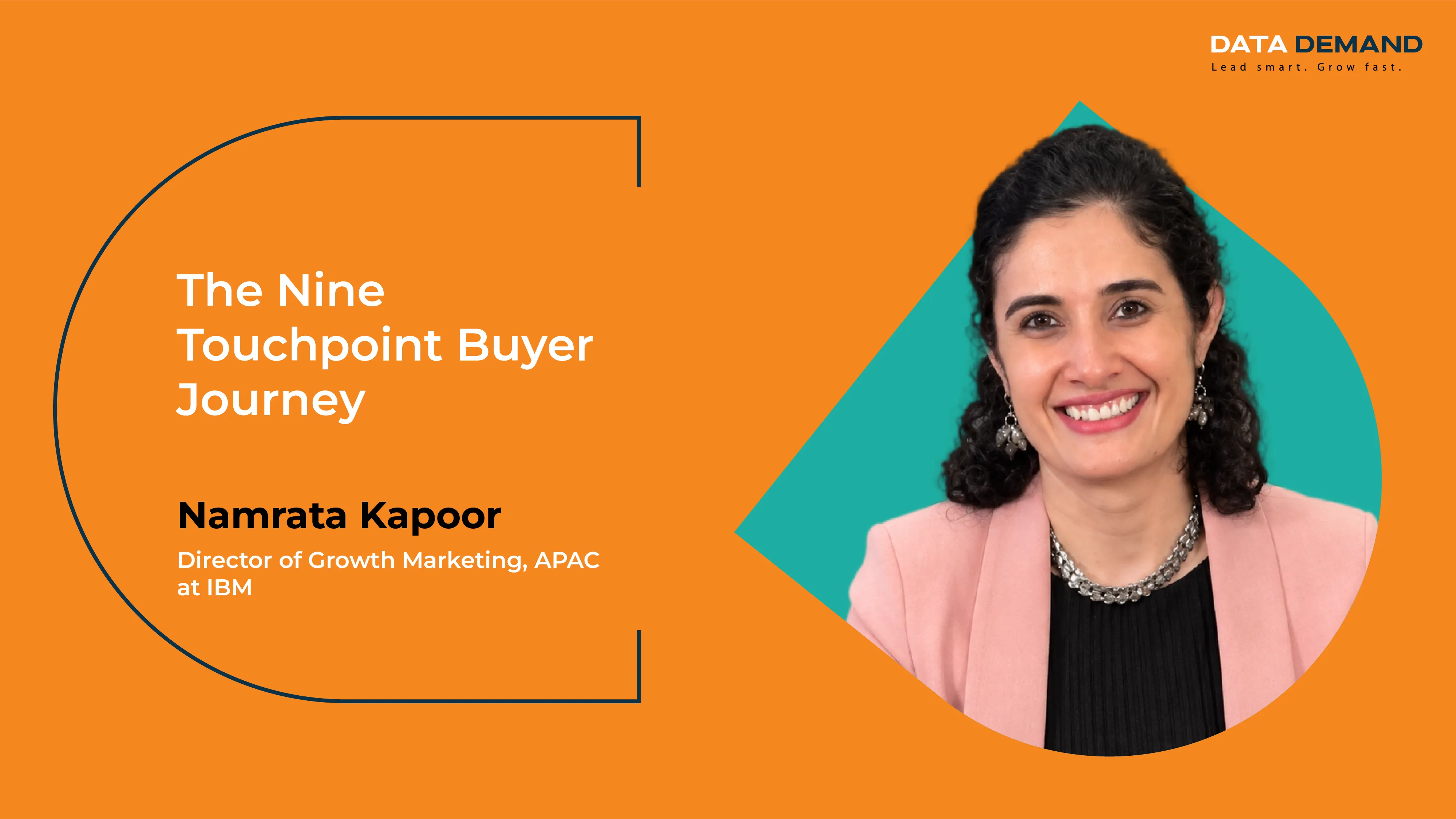
Based on the operational framework shared by Namrata Kapoor on the MarTech360 podcast hosted by Samarth, here are the 5 core strategies required to transition your organization from running isolated campaigns to building a sustainable growth engine:
1. Expand Beyond the Immediate Circle of Influence
Relying solely on upselling within a few hundred legacy accounts limits your acceleration. Sustainable growth requires building a system that targets three specific categories, which are growth within existing accounts, expansion through partner ecosystems, and capturing white space accounts that do not yet recognize your solution.
2. Stop Pushing Products and Start Mapping Use Cases
When looking for untapped opportunities within existing accounts, sales and marketing teams frequently make the mistake of pushing products for the sake of selling. Organizations must deeply understand their clients’ business priorities and map specific product use cases to those actual problems. If the client has no genuine need for a feature, you must realistically redirect your budget elsewhere.
3. Orchestrate a Nine Touchpoint Cadence
Generating demand before it exists requires patience and a cross channel approach. It takes at least nine engagement points across different channels, like LinkedIn conversations, webinar attendance, or newsletter subscriptions, before a B2B buyer is ready to speak with sales. Marketing and sales must collaborate to track these signals and properly hand off interested accounts.
4. Treat Your Partner Ecosystem as a Force Multiplier
Direct sales teams have a strict natural limit on how many clients they can handle. By treating partner ecosystems as an extension of the sales force, organizations can multiply their reach exponentially. A partner network brings crucial on the ground intelligence and local relationships that a top down corporate strategy simply cannot replicate on its own.
5. Master AI Fluency Instead of Basic Content Generation
Artificial intelligence allows marketing teams to scale content creation rapidly, but generating basic assets is no longer a competitive advantage. Marketers must develop AI fluency, which is the ability to prompt models accurately, verify the outputs, and use those insights to optimize live campaigns. The human role is shifting from content generation to high level strategic orchestration.
The Bottom Line: Sustainable commercial growth requires aligning marketing and sales around shared pipeline metrics and understanding the core business problems you solve. Stop operating in regional or departmental silos, and start building an integrated growth ecosystem.
How much of your current marketing budget is focused on penetrating new white space versus just defending the accounts you already have?