Sustainable digital growth is not a channel or tool problem; it is a business system and clarity problem.
To build a marketing engine that drives sustainable business growth, digital leaders must look past green performance dashboards and fundamentally question how their strategy creates long term value.
True, sustainable expansion isn’t about chasing cheap clicks or vanity metrics; it is about anchoring your ecosystem around integrated systems, true market demand, and authentic buyer behavior.
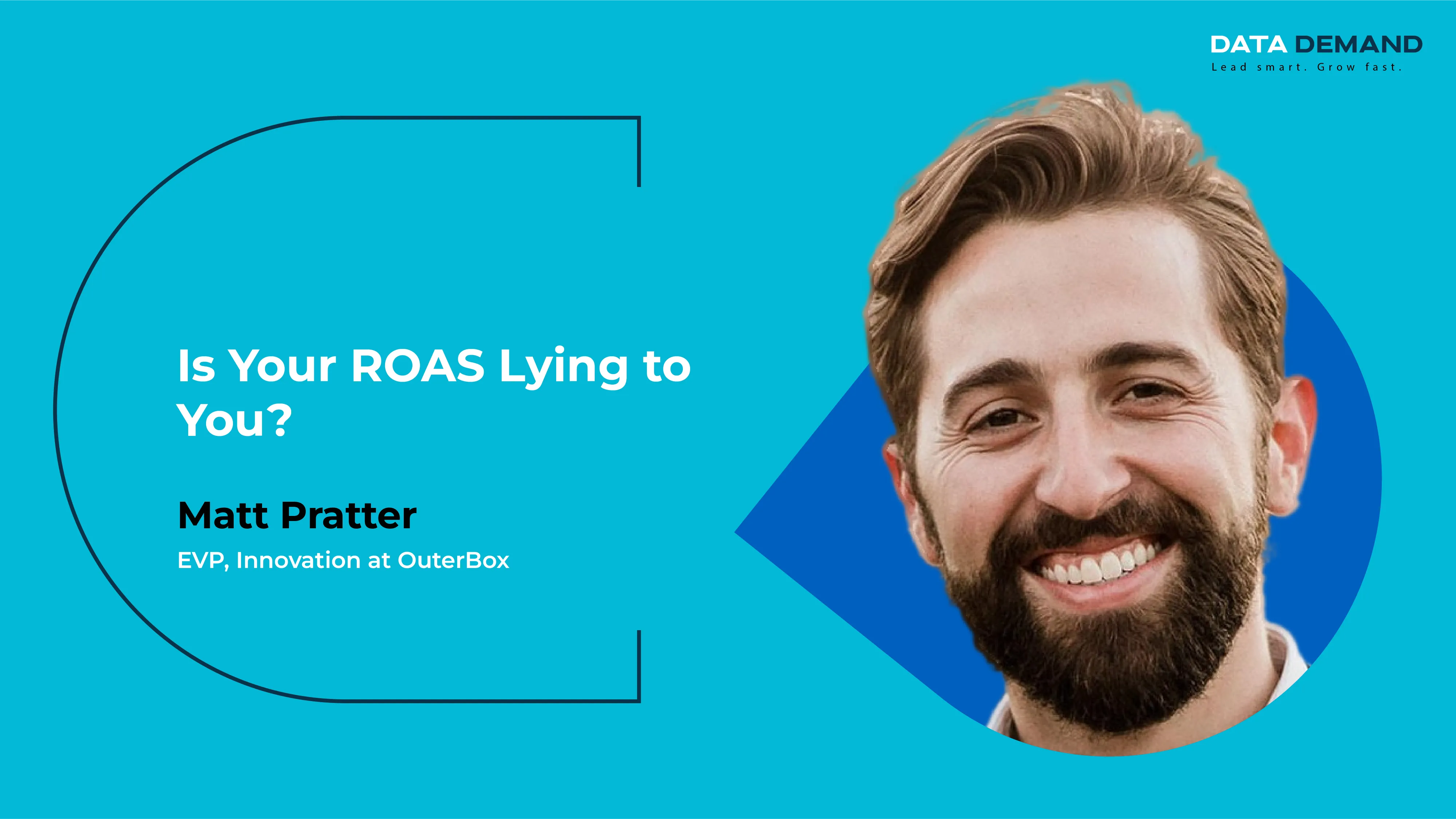
Based on Matt Pratter’s operational framework on the Martech 360 Podcast, hosted by Samarth Bhargava, here are the 5 core strategies required to move your go to market operations from surface level activity to compounding pipeline:
Relying on Short Term Vanity Metrics Guarantees Subpar Performance
Scaling digital campaigns fails when teams optimize solely for immediate front end indicators like clicks, impressions, or low Cost Per Click. A campaign generating billions of views without clear ties to revenue is simply an expensive billboard. Peak business efficiency happens when organizations align performance metrics directly with quality, conversion rates, and long term customer lifetime value.
Build True Market Demand Long Before the Sale
Most performance campaigns fall into the trap of only harvesting buyers who are already ready to transact. Sustainable market dominance requires creating authentic demand through branded search lift, word of mouth, and direct traffic. High performing brands focus on pulling the market toward them before attempting to capture immediate bottom of funnel conversions.
Over Indexing on Short Term ROAS Drains Future Pipeline
Under internal pressure for quick wins, performance teams frequently default to short term optimization that quickly exhausts warm audience pools. While hitting immediate return on ad spend targets feels like a victory, it depletes the future addressable market. Long term scale requires balancing conversion activation with continuous demand generation that consistently brings new buyers into the funnel.
Isolated Channel Silos Sunk Business Growth
Organizing teams into isolated channel silos, such as SEO, Paid Media, and Conversion Rate Optimization, causes teams to compete against each other for individual KPIs rather than driving the business. Growth is not a single marketing tactic; it is a business systems problem. Modern growth engines require integrated ecosystems where SEO insights sharpen paid targeting, and CRO learnings elevate organic content.
Combine AI Velocity with Human Strategic Validation
Deploying generative AI accelerates creative asset combinations and research speed, but automated production alone floods channels with mediocre digital noise. Furthermore, using LLMs with flawed inputs produces bad outcomes faster. To break through market clutter, sophisticated growth teams pair AI orchestration with original buyer research and human judgment.
The Bottom Line: Sustainable digital growth is not a channel or tool problem; it is a business system and clarity problem. Stop running isolated performance campaigns, and start building integrated demand engines rooted in real buyer behavior.
How much of your current growth strategy is built on real market demand versus manufactured optimization?