Your ad inventory is your asset. Take control of how it is valued, sold, and monetized.
To build a sustainable monetization engine, digital publishers must stop settling for black box reporting and fundamentally rethink how they manage their inventory. True commercial growth is not about blindly passing traffic to demand partners; it is about taking direct control, prioritizing curation, and utilizing pre-bid wrappers to create healthy, transparent competition.
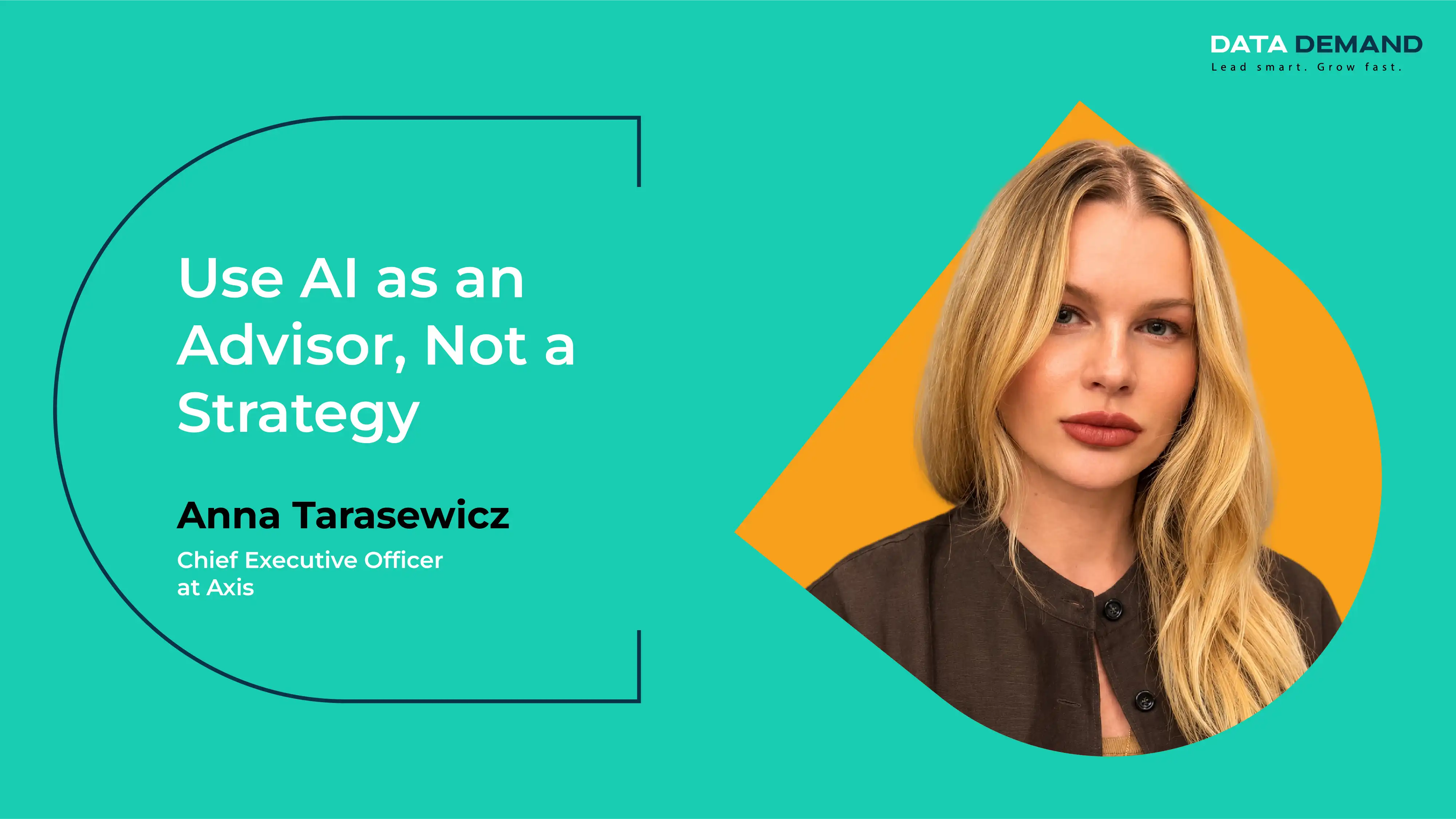
Based on the operational framework shared by Anna Tarasewicz, CEO of Axis, on the MarTech360 podcast hosted by Samarth Bhargava, here are the 5 core strategies required to transition your organization from an imbalanced programmatic ecosystem to a publisher-controlled revenue machine:
Stop Accepting the Programmatic Power Imbalance
Programmatic advertising was originally billed as a great equalizer, but in reality, the buyer who pays tends to make the rules. Publishers are often the last to know how their inventory is sold and the last to get paid, with value constantly leaking out through intermediaries. Publishers must recognize this massive imbalance and demand real-time tools and direct control rather than settling for opaque, five-page reports that conceal true auction dynamics.
Move Beyond Basic Pre-Bid Wrapper Installation
Simply installing a pre-bid wrapper and connecting it to Supply-Side Platforms (SSPs) does not fix anything on its own. A wrapper is only effective when it actively monitors bidder behavior in real time, tests different layouts and timeouts, and connects strictly to curated demand. When used strategically rather than passively, pre-bid wrappers are one of the few features that put decision-making power back into the hands of the publisher.
Prioritize Curation Over Blind Traffic Streams
Publishers and ad tech platforms often make the mistake of passing traffic as one giant, unsegmented stream. To drive up CPMs and attract top-tier demand, you must curate and segment traffic based on performance, context, and region before it ever hits the bid stream. When buyers know they are competing for clean, highly qualified inventory rather than a blind pool, ad density and overall revenue naturally increase.
Optimize Ad Refresh Based on Real User Activity
Relying on static ad placements leaves money on the table. Publishers must implement mechanisms that dynamically refresh ad slots, whether they are banners, native ads, or video, based entirely on real user activity and real-time behavior. This dynamic approach ensures publishers maximize impressions per session without requiring their teams to constantly rewrite code or manually adjust layouts.
Use AI as an Advisor, Not a Replacement for Expertise
While artificial intelligence handles targeting, pricing, and real-time optimization faster than any human, it completely lacks critical thinking. AI acts as a mirror to your own expertise; if you do not know what you are doing, AI will simply generate polished but meaningless output. Publishers and ad tech leaders must use AI as an advisor to handle everyday tasks, freeing up human strategists to make the nuanced, high-level decisions that actually move the business forward.
The Bottom Line: Sustainable digital growth requires publishers to stop accepting opaque fee structures and start demanding absolute accountability from their technology partners. Stop operating in the dark, and start building an infrastructure that guarantees total transparency and control.
How much of your current ad revenue is leaking out through intermediaries who provide zero transparency?